You Won’t Believe What Hides in Sibiu’s Old Quarters
Sibiu isn’t just another pretty city in Romania—it’s a living storybook split into districts that feel like different worlds. I walked its cobbled streets with no map, letting curiosity lead me through medieval squares, quiet artisan corners, and modern cafes breathing new life into old walls. What surprised me? How each neighborhood holds its own rhythm, secrets, and soul. This is more than sightseeing—it’s feeling a city pulse beneath your feet. From the grand spires of the Upper Town to the whispering courtyards of the Lower Town, Sibiu reveals itself slowly, like a well-kept secret finally shared. It’s a city where history isn’t preserved behind glass but lives in the laughter from open tavern doors and the scent of fresh bread drifting through alleyways. For travelers who value authenticity, beauty, and quiet discovery, Sibiu offers something rare: a journey not just through places, but through time.
The Heartbeat of Historic Sibiu: Upper Town Uncovered
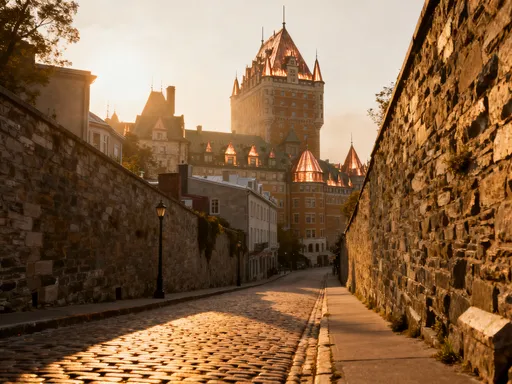
The Upper Town of Sibiu is where history stands tallest and silence speaks loudest. Perched on a hill like a crown above the city, this fortified district is a masterpiece of medieval urban planning, shaped by the Saxons who settled here over 800 years ago. Its cobblestone lanes twist gently beneath your feet, leading to grand plazas where time seems to pause. The centerpiece, the Great Council Square, is framed by colorful baroque buildings with green-tiled roofs and arched windows. At its edge rises the Council Tower, a 14th-century sentinel that once served as both watchpost and city gate. Climbing its 174 wooden steps rewards visitors with a panoramic view—red rooftops stretching into green hills, church spires piercing the sky, and the distant Carpathians on clear days.
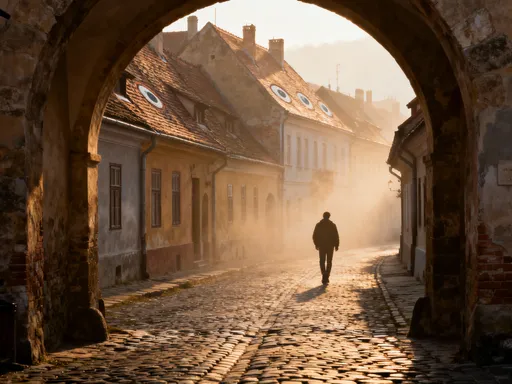
What makes the Upper Town so compelling is not just its beauty, but its authenticity. Unlike reconstructed historic centers, Sibiu’s old core has remained largely intact. The famous "eyes" of Sibiu—roof vents shaped like watching eyelids—peer down from attic windows, a clever architectural solution to ventilate hay lofts while giving the city its mysterious, sentient character. These details aren’t tourist gimmicks; they’re remnants of a self-sufficient fortress town designed for defense and community. Walking through the narrow passageways beneath centuries-old arches, you feel the weight of centuries in the cool stone walls and hear echoes of merchants, scholars, and craftsmen who once shaped this place.
To truly appreciate the Upper Town, timing is everything. Early morning, just after sunrise, is ideal. The golden light softens the pastel facades, and the square belongs to locals—bakers opening their shops, elderly residents walking dogs, and the occasional street musician tuning a violin. By midday, tour groups arrive, and the rhythm shifts. Late afternoon brings a quieter energy, perfect for lingering in shaded corners or sipping coffee at a café overlooking Huet Square, where the Evangelical Cathedral’s twin spires dominate the skyline. This is also when the light is most dramatic for photography, casting long shadows across the uneven stones.
Yet beyond the postcard views, the Upper Town offers intimate encounters. Small museums like the ASTRA Museum of Ethnography or the Brukenthal National Museum provide context—artifacts from Saxon life, traditional costumes, and rare manuscripts that tell the story of Transylvania’s multicultural past. These institutions aren’t crowded or commercialized; they feel personal, curated with care. Even the churches, though centuries old, remain active places of worship. Attending a Sunday service at the Evangelical Cathedral, even as an observer, offers a glimpse into the spiritual continuity that binds the community across generations.
Where Locals Live and Breathe: The Charm of Lower Town
Just a short descent from the Upper Town lies the Lower Town, a district that pulses with everyday life. If the Upper Town feels like a museum of preserved history, the Lower Town is where that history still breathes. Here, the streets are wider, the buildings more modest, and the pace slower. It’s a neighborhood of families, artisans, and small businesses—less polished, more lived-in. The contrast is striking, yet natural. You don’t enter the Lower Town; you slip into it, as if stepping behind the curtain of a grand theater to see how the city truly functions.
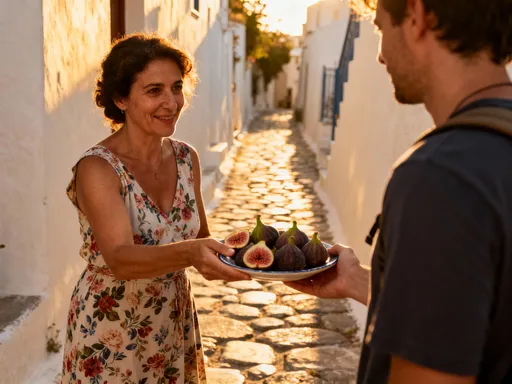
One of the most authentic experiences here is the Covered Market, a bustling hub where farmers from nearby villages sell fresh produce, homemade cheese, and jars of wildflower honey. The air is thick with the scent of herbs, roasted peppers, and warm bread. Vendors greet regulars by name, and bargaining is gentle, almost ritualistic. This isn’t a market staged for tourists—it’s a vital part of daily life, where grandmothers inspect tomatoes with practiced eyes and young couples pick out ingredients for Sunday dinner. Nearby, small butcher shops display smoked sausages and cured meats, while bakeries offer covrigi—Romanian pretzels dusted with sesame or poppy seeds—still warm from the oven.
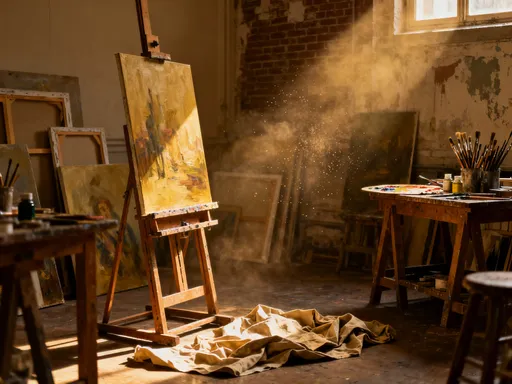
Wandering beyond the market, you’ll find hidden courtyards tucked behind unassuming doors. These inner spaces, once centers of artisan workshops, now house artists’ studios, small galleries, and cozy cafes. Some are accessible only by narrow staircases or arched passages, giving them a sense of discovery. In one such courtyard, a potter shapes clay on a spinning wheel, her hands moving with quiet precision. In another, a jazz trio rehearses in a converted stable, their music drifting into the alley like a secret. These moments aren’t performances; they’re glimpses into a creative undercurrent that thrives beneath the surface.
The Lower Town also reveals Sibiu’s architectural layers. While the Upper Town showcases Saxon symmetry and grandeur, here you see Romanian, Hungarian, and even Ottoman influences in the wooden balconies, arched doorways, and faded frescoes. Houses lean slightly with age, their colors softened by time, yet there’s a warmth to them—a sense that people live, love, and grow old within these walls. For travelers seeking connection over spectacle, this is where Sibiu reveals its heart. Sitting on a bench in Piața Mică (Little Square), watching children play near the fountain while an old man reads a newspaper under a chestnut tree, you understand that this city isn’t just about the past—it’s about continuity.
Crossing Eras: The Suburb of Dumbrăvița
Just a few kilometers west of the historic center lies Dumbrăvița, a suburban district that offers a different rhythm altogether. This is where many of Sibiu’s residents live, raise families, and enjoy the quiet comforts of modern life balanced with green spaces and community spirit. Unlike the medieval core, Dumbrăvița feels contemporary—tree-lined avenues, well-kept homes, and local parks where dogs chase balls and children ride bicycles. Yet it’s not soulless suburbia; it carries a gentle charm, shaped by its proximity to nature and its role as a residential haven.
One of the most appealing aspects of Dumbrăvița is its accessibility. Regular city buses connect it to the center in under 15 minutes, making it easy for visitors to stay here and still explore the historic districts. The neighborhood is also bike-friendly, with dedicated lanes and calm streets perfect for leisurely rides. For those who enjoy morning walks, the Dumbrăvița Lake area offers a peaceful escape—reeds sway at the water’s edge, ducks glide across the surface, and benches invite quiet reflection. In spring and summer, locals gather for picnics or evening strolls, enjoying the cool air that rolls in from the surrounding hills.
Cafes in Dumbrăvița are not tourist traps but neighborhood staples—places where friends meet over coffee, students study with laptops open, and retirees play chess. These spaces reflect a slower, more grounded way of life. You’ll find bakeries selling fresh pastries, small grocery stores with locally sourced goods, and playgrounds where laughter echoes in the afternoons. The architecture here blends modern functionality with traditional touches—wooden shutters, tiled roofs, and flower-filled window boxes that mirror the colors of the old town, albeit in a more subdued tone.
What makes Dumbrăvița special is its sense of normalcy. It’s a place where life unfolds without performance, where the rhythm is set by school bells and dinner times rather than tour schedules. For travelers who want to experience how Romanians live today—not just how they lived centuries ago—this district offers valuable perspective. Staying here, even briefly, allows for deeper immersion. You might strike up a conversation with a local at the park, share a smile with a shopkeeper, or simply enjoy the comfort of returning to a quiet street after a day of exploration. Dumbrăvița reminds us that cities are not just monuments and museums—they are homes.
Art, Culture, and Urban Revival: The Expanding Creative Districts
Sibiu’s transformation didn’t stop at preservation—it embraced reinvention. After being named the European Capital of Culture in 2007, the city experienced a cultural awakening that continues to ripple through its streets. Abandoned warehouses, disused factories, and forgotten courtyards have been reimagined as vibrant spaces for art, performance, and community. These revitalized zones are not confined to one area; they form a growing network of creative energy that bridges the old and the new.
One of the most striking examples is the Sibiu Art Village, a complex of restored buildings that now house artist studios, exhibition spaces, and design workshops. Here, painters, sculptors, and ceramicists work in open studios, inviting passersby to watch the creative process unfold. The atmosphere is collaborative, not competitive—artists exchange ideas over coffee, and visitors are encouraged to ask questions. Temporary exhibitions rotate frequently, showcasing everything from contemporary photography to experimental installations. What’s remarkable is how seamlessly these modern expressions integrate with the historic surroundings. A mural of a mythical Transylvanian creature might stretch across a 19th-century wall, or a sound sculpture might echo in a courtyard once used for horse trading.
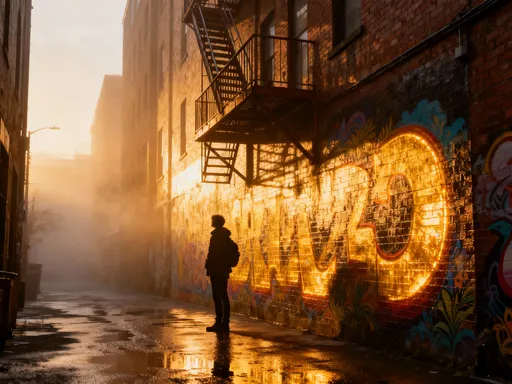
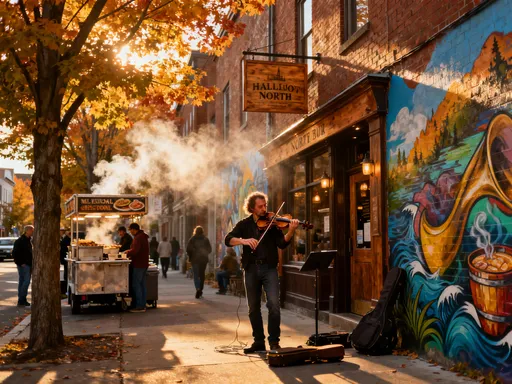
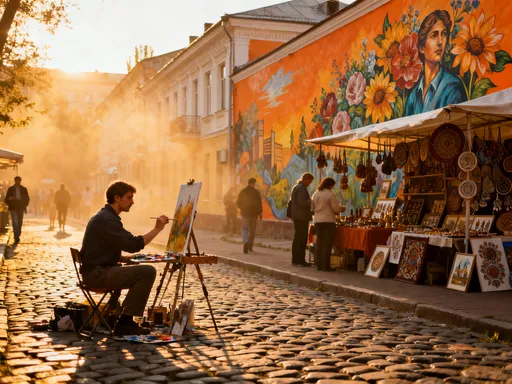
Street art has also found a home in Sibiu, particularly in the transitional zones between districts. Guided walking tours now include stops at large-scale murals that depict local legends, historical figures, and abstract interpretations of Sibian identity. These works are not graffiti but commissioned pieces, created with community input and respect for the city’s aesthetic. They add color and conversation without disrupting the harmony of the old town. In some alleys, you’ll find whimsical details—a painted cat peeking from a drainpipe, a musical note floating on a shutter—that reward attentive exploration.
Galleries and cultural centers have also multiplied. The Radu Stanca National Theatre, while not new, has become a hub for experimental performances and international festivals. Nearby, independent galleries host pop-up shows, poetry readings, and craft markets. These spaces attract both locals and visitors, creating a dynamic cultural dialogue. The legacy of 2007 lives on not in grand monuments, but in this everyday creativity—a city that no longer sees itself as a relic, but as a living, evolving entity. For travelers interested in the pulse of contemporary Romanian culture, these creative districts offer an essential counterpoint to the medieval wonders of the Upper Town.
How to Navigate Sibiu’s Districts Like a Pro
Exploring Sibiu’s diverse neighborhoods is both easy and rewarding, thanks to its compact size and efficient infrastructure. The city center is highly walkable, and most major attractions in the Upper and Lower Towns are within a 20-minute stroll of each other. Comfortable walking shoes are essential—the cobblestones are charming but uneven, and the slight incline between districts can be tiring over long periods. A simple paper map or offline digital map is sufficient for orientation, as signage is clear and streets are well-marked in both Romanian and English.
For longer distances, such as traveling to Dumbrăvița or the outskirts, public transportation is reliable and affordable. Sibiu’s bus system covers all major districts, with frequent routes connecting residential areas to the center. Tickets can be purchased at kiosks, convenience stores, or via a mobile app, and validators are located inside each bus. The system is user-friendly, even for non-Romanian speakers. Buses run from early morning until late evening, with reduced frequency on weekends. For added convenience, bike rentals are available at several points in the city, and dedicated lanes make cycling a safe and pleasant option.
When planning your route, consider starting in the Upper Town in the morning, when crowds are thinner and light is best for photography. After a few hours, descend into the Lower Town for lunch at a family-run restaurant—try traditional dishes like sarmale (cabbage rolls) or mămăligă with cheese and sour cream. In the afternoon, you might explore a creative district or take a bus to Dumbrăvița for a quiet walk. Returning to the center in the evening allows you to see the city transform—lanterns glow on the squares, restaurants fill with diners, and the Council Tower lights up against the night sky.
Safety is generally excellent in all districts. Sibiu is known for being clean, well-maintained, and welcoming to visitors. Petty crime is rare, and locals are typically helpful to tourists. That said, it’s wise to keep an eye on belongings in crowded markets or on buses, as in any European city. The overall atmosphere is one of calm and hospitality, making Sibiu particularly suitable for solo travelers, couples, and families alike. With a little planning, navigating the city becomes not a challenge, but part of the adventure—each district revealing itself at its own pace.
When to Go and Where to Stay: Matching Your Travel Style
The best time to visit Sibiu depends on what kind of experience you seek. Spring, from April to early June, brings mild temperatures, blooming gardens, and fewer tourists. The city awakens after winter—windows open, outdoor cafes reopen, and the scent of lilacs fills the air. This season is ideal for walking tours and photography, with soft light and vibrant colors. Summer, especially July and August, is lively, with festivals, open-air concerts, and bustling squares. However, it’s also the busiest time, so booking accommodations well in advance is recommended.
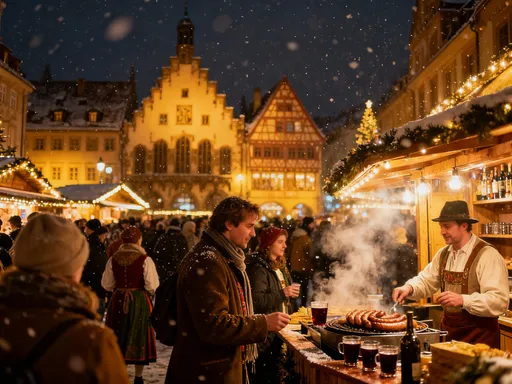
Autumn offers golden light and crisp air, with fewer crowds and a cozy atmosphere. The surrounding hills turn to shades of amber and crimson, making day trips into nature especially rewarding. Winter, while cold, has its own magic. Sibiu’s Christmas Market, held in the Great Council Square, is one of Romania’s most beautiful—wooden stalls sell handmade crafts, mulled wine, and roasted chestnuts, while carolers sing beneath twinkling lights. The snow-dusted rooftops and glowing windows create a storybook scene that feels straight out of a holiday card.
Accommodation options vary widely, allowing travelers to match their stay to their preferences. For those who want to be in the heart of history, boutique hotels and guesthouses in the Upper Town offer charm and convenience. Many are housed in restored Saxon buildings, with exposed beams, antique furniture, and panoramic views. These tend to be more expensive but provide an immersive experience. The Lower Town has more budget-friendly options, including family-run pensions and modern apartments, often with kitchenettes for longer stays.
If you prefer quiet and space, consider staying in or near Dumbrăvița. Guesthouses here offer comfortable rooms, private gardens, and a peaceful retreat after a day of sightseeing. They’re also excellent for families or travelers who value a slower pace. Regardless of where you stay, most accommodations are within easy reach of public transport or walking distance to key areas. Booking through reputable platforms with verified reviews ensures quality and safety. The key is to choose a base that aligns with your travel rhythm—whether you crave the energy of the center or the calm of the suburbs.
Why Sibiu’s Districts Tell a Deeper Story
Sibiu is more than a collection of beautiful streets and historic buildings—it is a city of layers, each district adding a new chapter to its ongoing story. From the Saxon fortifications of the Upper Town to the everyday resilience of the Lower Town, from the suburban calm of Dumbrăvița to the bold creativity of revitalized industrial zones, Sibiu resists easy categorization. It is not frozen in time, nor is it rushing to erase its past. Instead, it moves forward with intention, preserving what matters while embracing change.
This layered identity is what makes Sibiu so deeply satisfying to explore. Unlike cities that cater solely to tourists with polished facades and scripted experiences, Sibiu allows you to witness real life unfolding. You see history not as a display, but as a foundation. You meet people not as performers, but as neighbors. You feel the city not through guidebook facts, but through quiet moments—a shared smile, the smell of baking bread, the sound of church bells at dusk.
The true magic of Sibiu lies in its invitation to slow down. In an age of checklist tourism, where travelers rush from one landmark to the next, Sibiu rewards those who wander with purpose and patience. It asks you to linger in a courtyard, to strike up a conversation, to notice the way light falls on an old wall. It reminds us that the best journeys are not about how many places you see, but how deeply you feel them.
So when you walk Sibiu’s cobbled streets, let go of the map. Let curiosity guide you. Step into a hidden passage, pause in a quiet square, follow the sound of music from an open window. Because what you’ll find isn’t just a city—it’s a story waiting to be lived. And in that story, you might just find a piece of yourself.