You Won’t Believe These Wild Hidden Gems Near Astana
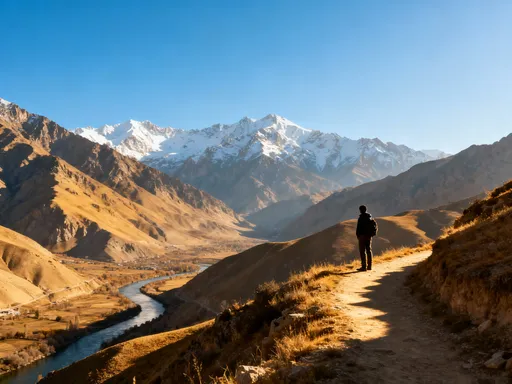
When I first thought of Astana, I pictured sleek skyscrapers and futuristic plazas — but what actually blew my mind were the untouched natural escapes just outside the city. I’m talking vast protected landscapes where silence reigns, wildlife roams free, and the air feels alive. If you're craving raw nature with zero crowds, Kazakhstan’s conservation zones near Astana are a must-see. This is real, wild Central Asia — and you gotta check it out.
Arrival in Astana: First Impressions vs. Hidden Nature
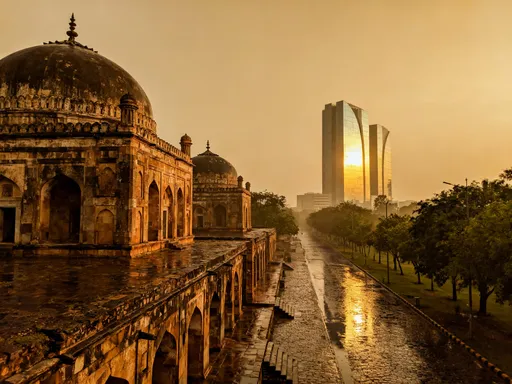
Stepping off the plane in Astana, now officially known as Nur-Sultan, one is immediately struck by the city’s bold architectural vision. Towering glass spires, sweeping boulevards, and monumental public spaces reflect a nation eager to project modernity and forward momentum. The Bayterek Tower rises like a metallic tree from the steppe, while the Khan Shatyr entertainment center resembles a futuristic igloo under the wide Kazakh sky. These landmarks speak of ambition, of a capital reimagined for the 21st century.
Yet beyond the polished cityscape lies a different Kazakhstan — one of ancient geological formations, whispering pine forests, and shimmering lakes nestled among rolling hills. Just a short drive from the urban core, the rhythm of life slows. The horizon opens. The air clears. And travelers discover that Astana is not just a political and cultural hub but also a gateway to some of Central Asia’s most pristine natural reserves.
Kazakhstan has made significant strides in environmental conservation over the past two decades. Recognizing the ecological value of its diverse landscapes — from mountain ranges to steppe grasslands — the government has expanded its network of protected areas. These zones serve dual purposes: preserving biodiversity and promoting sustainable tourism. For the mindful traveler, especially those seeking rejuvenation in nature, these parks offer a rare chance to experience wilderness that remains largely untouched by mass tourism.
The contrast between the city and its surroundings is not a contradiction but a complement. Astana’s modernity makes the nearby wild spaces feel even more grounding, more authentic. In a world where urbanization often comes at the cost of natural beauty, Kazakhstan presents a refreshing model — one where progress and preservation coexist.
Burabay National Park: Forests, Lakes, and Mountain Vistas
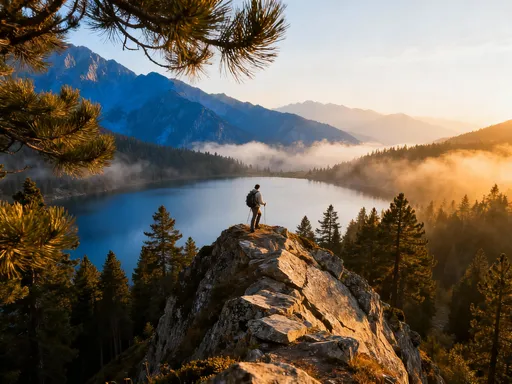
Among the most accessible and beloved natural escapes from Astana is Burabay National Park, located approximately 170 kilometers (about 105 miles) to the north. A scenic two- to three-hour drive brings visitors into a landscape that feels worlds away from the capital. Nestled within the Kokshetau Hills, Burabay — also known as Borovoe — is a haven of dense pine forests, crystalline lakes, and dramatic granite outcrops shaped by millennia of wind and ice.
The heart of the park is Lake Borovoe, a mirror-like body of water surrounded by evergreen trees and rocky shores. Its name, derived from the Russian word for “pine forest,” captures the essence of this tranquil retreat. Whether gliding across the lake in a rented rowboat or strolling along the wooden promenade at sunrise, visitors are enveloped in a sense of serenity. The air carries the scent of resin and damp earth, a soothing contrast to the sterile corridors of city life.
For those seeking elevation — both literal and metaphorical — the hike to Taras Shevchenko Peak offers one of the most rewarding viewpoints in northern Kazakhstan. The ascent, though moderate, rewards climbers with a panoramic vista of interconnected lakes, forested hills, and distant ridgelines. On clear days, the view stretches for dozens of miles, a patchwork of green and blue under an endless sky. The peak is named after the revered Ukrainian poet and artist, who was exiled to this region in the 19th century — a reminder that even in remote corners, history echoes softly.
Burabay is also home to the striking Chemberek Gorge, where massive boulders balance precariously atop one another, sculpted by glacial forces and time. Locals whisper legends about these stones, attributing mystical energy to their formations. Whether or not one believes in such tales, the atmosphere is undeniably powerful — a place where nature feels ancient and alive.
The park is well-equipped for visitors, with marked hiking trails, picnic areas, and modest guesthouses ranging from family-run lodgings to small hotels. Summer brings lush greenery and warm temperatures ideal for swimming and boating, while winter transforms the landscape into a snow-blanketed wonderland perfect for cross-country skiing and snowshoeing. Year-round, Burabay remains a favorite destination for families, couples, and solo travelers alike — a place where nature nurtures the soul.
Kokshetau National Park: Off-the-Beaten-Path Beauty
Just a short distance northeast of Burabay lies Kokshetau National Park, a quieter, less-visited counterpart that offers an even deeper immersion into Kazakhstan’s natural heritage. While it shares some geological features with Burabay, Kokshetau stands out for its unique forest-steppe ecosystem — a transitional zone where dense woodlands meet open grasslands. This blend creates rich biodiversity and a sense of untouched authenticity that appeals to travelers seeking solitude and discovery.
The park spans over 1,000 square kilometers and encompasses more than 20 lakes, many of which remain unnamed and unspoiled. Lake Kopa, one of the largest, is a favorite among local visitors for its clean waters and sandy shores. Unlike more commercialized resorts, the lakes here lack loud music or crowded beaches. Instead, families gather quietly, children splash in shallow waters, and elders sit under simple canopies, sipping tea and watching the ripples.
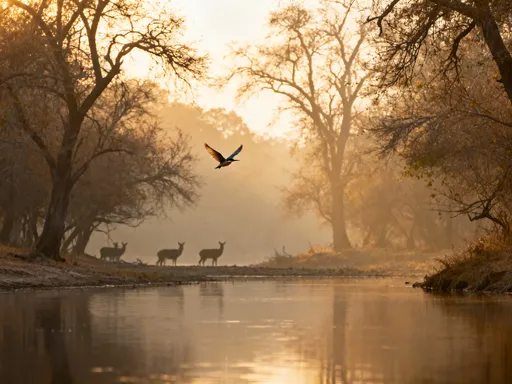
Wildlife thrives in this protected environment. Roe deer graze at dawn and dusk, their slender forms slipping through the trees like shadows. Elk, though more elusive, leave tracks in the soft soil near wetlands. Birdwatchers may spot the imperial eagle, the osprey, or the rare black stork — all protected species that find refuge in Kokshetau’s forests and marshes. The golden eagle, a symbol of strength and freedom in Kazakh culture, soars above the ridgelines, riding thermal currents with effortless grace.
One of the park’s quietest joys is its network of hiking trails, many of which follow old herding paths used by local communities for generations. These routes wind through birch groves, cross babbling streams, and climb gentle slopes offering sweeping views of the surrounding countryside. Unlike crowded tourist trails elsewhere, these paths often lead to places where you may not see another soul for hours — a rare gift in today’s hyper-connected world.
Within designated zones, traditional Kazakh pastoral practices continue in harmony with conservation efforts. Nomadic herders bring their flocks to graze during seasonal migrations, maintaining a centuries-old way of life that coexists with modern environmental stewardship. Visitors may encounter these families, who often welcome respectful interaction — a shared cup of fermented mare’s milk (kumys), a story about the land, or a simple smile across a campfire.
Kokshetau National Park does not boast luxury resorts or extensive visitor centers, and that is part of its charm. It invites travelers to slow down, listen closely, and appreciate the subtle rhythms of nature. For the 30- to 55-year-old woman seeking a meaningful escape — not just a vacation — this park offers space for reflection, reconnection, and renewal.
Ile-Alatau National Park: A Longer Journey, Worth the Trip
While farther from Astana — requiring a flight to Almaty followed by a two-hour drive — Ile-Alatau National Park represents the grander vision of Kazakhstan’s conservation efforts. Nestled in the Tian Shan mountain range just south of Almaty, this expansive park protects over 200,000 hectares of alpine terrain, including snow-capped peaks, deep valleys, and glacial rivers. Though not within easy reach of Astana, it is worth including in any broader exploration of Kazakhstan’s protected landscapes.
The park’s dramatic scenery is unlike anything found in the northern regions. Towering peaks like Talgar and Kumbel rise above 4,000 meters, their summits dusted with snow even in summer. Verdant meadows burst with wildflowers in June and July, while crystal-clear streams feed into the Ile River, a vital water source for the region. The contrast between the arid steppe near Astana and the lush highlands of Ile-Alatau underscores Kazakhstan’s remarkable geographical diversity.
Ecologically, the park is a sanctuary for endangered species. Among its most elusive residents is the snow leopard, a critically endangered cat that roams the highest elevations. Conservationists have established monitoring programs using camera traps and satellite tracking to protect these magnificent animals. Other protected species include the Tien Shan brown bear, the Central Asian red deer, and the bearded vulture — all indicators of a healthy, functioning ecosystem.
For visitors, the park offers well-maintained hiking trails that range from moderate day hikes to multi-day treks. The Big Almaty Lake trail is one of the most popular, leading to a stunning glacial lake surrounded by cliffs and evergreen forests. The air at this altitude is crisp and thin, carrying the scent of pine and cold stone. Birdwatching, photography, and nature meditation are common activities, all encouraged as low-impact ways to engage with the environment.
What makes Ile-Alatau especially significant is its role as a model for large-scale conservation in Central Asia. It demonstrates how a rapidly developing country can prioritize ecological protection without sacrificing economic growth. The park is managed in collaboration with international organizations, local communities, and scientific institutions — a holistic approach that ensures long-term sustainability.
Though the journey from Astana is longer, combining a visit to northern parks like Burabay with a trip to Ile-Alatau offers a comprehensive picture of Kazakhstan’s natural wealth. It is a journey from forested hills to alpine heights, from quiet lakes to rushing rivers — a testament to the country’s commitment to preserving its wild heart.
How to Visit Responsibly: Rules, Permits, and Eco Practices
As interest in eco-tourism grows, so does the responsibility to protect these fragile environments. Kazakhstan’s national parks are not theme parks — they are living ecosystems that require careful stewardship. Travelers, especially those visiting with family or on personal retreats, can make a meaningful difference by following simple but essential guidelines.
First, always check the latest park regulations before arrival. Some areas may require permits, especially for overnight stays or backcountry hiking. These permits help manage visitor numbers and fund conservation efforts. Information is typically available through official park websites or local tourism offices in Astana and nearby towns. When in doubt, contacting a licensed eco-tour operator can ensure compliance and enhance the experience.
Respecting restricted zones is equally important. Certain areas may be closed to protect nesting birds, sensitive plant life, or wildlife corridors. These boundaries are not arbitrary — they are based on scientific research and long-term monitoring. Staying on marked trails prevents soil erosion and minimizes disturbance to animals. Feeding wildlife, though tempting, is strictly prohibited and can disrupt natural behaviors.
The principle of Leave No Trace should guide every visitor. This means packing out all trash — including food wrappers, tissues, and biodegradable items like fruit peels, which decompose slowly in cold climates. Avoid using single-use plastics; instead, carry a reusable water bottle, utensils, and cloth bags. When camping, use established sites and keep campfires small and contained, if permitted at all.
Low-impact activities such as hiking, birdwatching, and nature photography allow travelers to enjoy the parks without leaving a footprint. These pursuits encourage mindfulness and presence — qualities that resonate deeply with women seeking balance and rejuvenation. Bringing binoculars, a field guide, or a journal can enhance the experience, turning a simple walk into a personal retreat.
Finally, supporting local communities is a powerful form of responsible tourism. Hiring local guides, purchasing handmade crafts, or staying in family-run guesthouses ensures that tourism benefits those who live closest to the land. Many local guides are passionate about conservation and offer rich insights into the region’s ecology and culture — knowledge that no brochure can replicate.
Transport & Logistics: Getting From Astana to Nature
Reaching Kazakhstan’s natural parks from Astana is more accessible than many assume. For travelers seeking flexibility and comfort, renting a car is often the best option. Well-paved roads connect the capital to Burabay and Kokshetau, with clear signage and rest areas along the way. Most rental agencies offer GPS navigation and roadside assistance, making self-driving a safe and enjoyable choice.
For those who prefer not to drive, guided tours are widely available through reputable travel agencies in Astana. These packages typically include transportation, park entry fees, meals, and a knowledgeable guide. They are especially convenient for solo travelers or small groups unfamiliar with the region. Many tours are tailored to families or women’s wellness retreats, emphasizing relaxation, nature connection, and cultural appreciation.
Public transportation, while less comfortable, is a budget-friendly alternative. Minibuses known as marshrutkas run regularly from Astana’s central bus station to towns near the parks. From there, local taxis or shuttle services can take you to trailheads or accommodations. Travel times vary — Burabay is about 2.5 to 3 hours by marshrutka, while Kokshetau may take slightly longer due to fewer departures.
Seasonal conditions play a key role in planning. Summer (June to August) offers the most pleasant weather, with mild temperatures and long daylight hours ideal for outdoor activities. Spring and autumn bring fewer crowds and stunning seasonal transitions — blooming wildflowers or golden foliage — though some facilities may operate on reduced schedules. Winter travel is possible but requires preparation; roads can be icy, and some parks limit access during heavy snowfall. However, winter also offers unique experiences — frozen lakes perfect for ice fishing, snow-covered forests ideal for quiet contemplation, and cozy guesthouses warmed by wood stoves.
For a fulfilling experience, consider a weekend getaway to Burabay or a three- to four-day immersion in Kokshetau. Those with more time might combine northern parks with a longer journey to Almaty and Ile-Alatau, creating a comprehensive nature itinerary. Regardless of duration, the key is intention — traveling not just to see, but to feel, to learn, and to reconnect.
Why These Protected Areas Matter: Conservation Meets Experience
At their core, Kazakhstan’s national parks are more than scenic destinations — they are living classrooms, sanctuaries of biodiversity, and symbols of hope. In a world where natural spaces are disappearing at an alarming rate, these protected zones stand as proof that preservation is possible, even in regions undergoing rapid development.
For the thoughtful traveler — particularly women who often carry the role of nurturer and caregiver — these parks offer a powerful reminder: that caring for the Earth is an extension of caring for ourselves and future generations. The quiet of a forest, the clarity of a mountain lake, the sight of an eagle in flight — these are not luxuries, but necessities for the human spirit.
Kazakhstan’s commitment to conservation reflects a growing global awareness that nature is not a resource to be exploited, but a system to be respected. By investing in protected areas, the country safeguards clean air, fresh water, and stable climates — benefits that extend far beyond park boundaries. These spaces also support scientific research, environmental education, and sustainable livelihoods for local communities.
As visitors, we have a choice. We can be passive consumers of scenery, or we can become mindful participants in preservation. We can leave behind litter — or we can leave behind respect. We can demand convenience — or we can embrace simplicity. The true value of a journey into nature lies not in what we take, but in what we give back: attention, gratitude, and a renewed sense of responsibility.
So if you find yourself in Astana, don’t stop at the skyline. Step beyond the glass and steel. Let the wind brush your face, let the silence fill your ears, let the wild beauty of Kazakhstan remind you of what matters. These hidden gems are not just places on a map — they are invitations to live more deeply, more gently, and more in harmony with the world around us. Explore mindfully. Tread lightly. And let your journey be one of respect, not just footprints.