You Won’t Believe These Hidden Shops in the Galápagos
When most people think of the Galápagos, they imagine giant tortoises, blue-footed boobies, and pristine lava fields—not shopping. But tucked between the volcanic trails and ocean breezes are small, surprising spots where local craftsmanship meets island life. I didn’t expect to find hand-carved souvenirs or organic cotton bags made by artisans right on the docks. These niche shopping venues aren’t on every tourist map, but they offer something rare: authenticity. Far from the bustling malls of mainland cities, the Galápagos Islands host a quiet network of family-run kiosks, cooperative stalls, and open-air markets that reflect the soul of the archipelago. Here, every purchase supports a person, a family, and often, the protection of the very ecosystem that makes this place so extraordinary. This is not shopping as usual—it’s a meaningful exchange rooted in sustainability, culture, and care.
Reimagining Shopping in a Protected Paradise
The Galápagos Islands are a UNESCO World Heritage Site, renowned for their unparalleled biodiversity and strict environmental protections. As a result, commercial development is tightly regulated to preserve the natural balance. Large retail chains, shopping malls, and mass-market vendors are absent by design. This often leads visitors to assume that shopping simply doesn’t exist here. Yet, the reality is far more nuanced. While the islands do not host department stores or international brands, they are home to a growing network of small, permitted vendors who operate within the boundaries of national park regulations. These vendors are not intrusions on the landscape—they are part of a carefully managed system that allows local residents to earn a livelihood without compromising conservation goals.
In towns like Puerto Ayora on Santa Cruz Island and Puerto Baquerizo Moreno on San Cristóbal, designated market areas provide space for artisans and farmers to sell their goods. These zones are monitored by local authorities to ensure compliance with environmental standards, including waste management, sourcing of materials, and restrictions on imported products that could introduce invasive species. Vendors must obtain permits, often through cooperatives or community associations, which helps maintain accountability and fairness. The result is a shopping experience that is both authentic and responsible—one that aligns with the values of eco-conscious travelers.
What makes these spaces unique is their integration into daily island life. Unlike tourist-centric bazaars found elsewhere, these stalls are frequented by both residents and visitors. You might see a fisherman buying a handwoven hat alongside a traveler selecting a lava stone pendant. This blending of cultures and purposes reinforces the idea that commerce in the Galápagos is not an afterthought—it is a deliberate, community-supported practice that respects the fragility of the environment. By choosing to shop in these regulated spaces, visitors become part of a larger effort to sustain both people and nature.
Why Local Craft Markets Matter More Than Malls
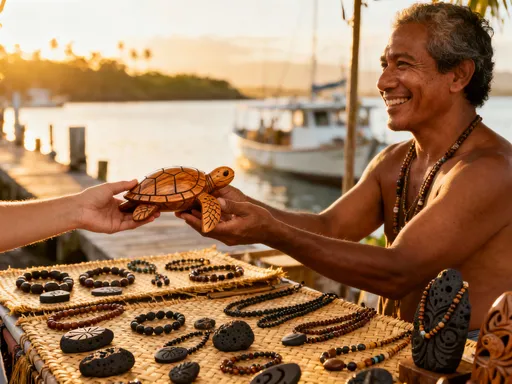
On the waterfront promenade known as the Malecón in Puerto Ayora, a row of small wooden stalls lines the edge of the bay, each one bursting with color and character. These are not mass-produced souvenir stands but expressions of individual artistry and cultural heritage. Here, local craft markets thrive not because they cater to consumerism, but because they serve a deeper purpose: sustaining communities and supporting conservation. When travelers buy a hand-carved wooden sea turtle or a bracelet made from recycled glass, they are not just acquiring a keepsake—they are contributing to a system where economic activity directly benefits the environment.
Many of the artisans who sell here are members of cooperatives that reinvest a portion of their earnings into environmental initiatives. For example, some groups allocate a percentage of sales to fund marine debris cleanups along remote beaches or support monitoring programs for endangered species like the Galápagos penguin and green sea turtle. Others collaborate with local schools to teach traditional crafts to younger generations, ensuring that cultural knowledge is preserved even as tourism shapes the islands’ economy. These efforts create a virtuous cycle: tourism brings income, income supports conservation and education, and conservation maintains the natural beauty that draws visitors in the first place.
The items available at these markets reflect the islands’ unique identity. Lava stone jewelry, polished smooth by artisans, carries the weight and texture of the volcanic earth. Reclaimed wood carvings—often made from driftwood or fallen branches—depict native animals like marine iguanas and frigatebirds with striking detail. Hand-printed textiles feature botanical illustrations of endemic plants such as the Darwin’s finch flower or the prickly pear cactus. Even simple postcards may be printed on seed paper, which can be planted to grow native wildflowers. Each product tells a story, not only of the maker but of the land itself.
The Best Small-Scale Shopping Spots (And When to Visit)
For travelers seeking authentic shopping experiences, several low-profile venues stand out across the inhabited islands. On Santa Cruz, the Organic Farm Co-op store in the highlands offers more than just fresh produce. Run by a collective of local farmers, it also sells handmade soaps infused with guava and passionfruit, as well as cotton totes dyed with natural pigments from island plants. The store operates Tuesday through Saturday from 9 a.m. to 5 p.m., and visiting in the morning ensures access to the freshest batches of artisanal goods. Because it is located inland, a trip here can be combined with a tour of the surrounding farms, where giant tortoises roam freely among lush vegetation.
Near the Charles Darwin Research Station, a family-run kiosk run by the Mora family has become a quiet favorite among repeat visitors. For over a decade, they have sold hand-painted ceramic ornaments shaped like blue-footed boobies and marine turtles, all crafted in their home workshop. Their stall is open daily from 8 a.m. to 6 p.m., and they accept only cash—so keeping small bills handy is essential. They also offer personalized engraving on wooden keepsakes, making them ideal for meaningful gifts. While modest in size, their commitment to quality and sustainability has earned them a loyal following.
Seasonal pop-up stalls also appear during local festivals, such as the annual Tortoise Festival in June or the Fishermen’s Week celebration in September. These temporary markets bring together artisans from multiple islands, offering a wider variety of goods for a limited time. In Puerto Baquerizo Moreno, the waterfront plaza transforms into a vibrant marketplace during these events, featuring everything from hand-knit baby alpaca hats to hand-bound journals made from recycled paper. These gatherings are not only shopping opportunities but cultural experiences, often accompanied by music, dance, and traditional food. Travelers who time their visits to coincide with these festivals gain access to rare items and deeper connections with the local community.
What to Buy (And What to Skip)
Making mindful choices while shopping in the Galápagos enhances both the experience and its impact. The most meaningful purchases are those that reflect the islands’ ecological and cultural values. Reusable alpaca fiber tote bags, for instance, are not only practical for carrying daily essentials but also support local herders who raise these animals sustainably. Similarly, natural soaps made with coconut oil, aloe vera, and endemic botanicals offer a sensory reminder of the tropics while avoiding synthetic chemicals that could harm marine life if washed into the ocean.
Seed-paper postcards are another excellent choice. After writing a message, recipients can plant the card in soil, water it, and watch native flowers sprout—a living souvenir that gives back to the earth. Lava stone necklaces and earrings, when sourced responsibly, showcase the geological history of the islands. Look for pieces that are polished rather than freshly quarried, indicating minimal environmental disruption. Wooden carvings should be made from reclaimed or fallen wood, never from live trees, and many reputable vendors proudly display certifications or labels confirming sustainable sourcing.
Conversely, certain items should be avoided. Mass-produced trinkets—especially those imported from outside the archipelago—undermine the spirit of local craftsmanship and contribute to waste. Plastic keychains, cheaply printed T-shirts, and imitation animal figurines often end up discarded, polluting fragile ecosystems. Worse, they compete unfairly with local artisans who invest time, skill, and care into their work. To identify authentic pieces, ask vendors about their process. Genuine artisans are usually happy to share stories about their techniques, materials, and inspirations. Many sign their work or attach bilingual labels (Spanish and English) that include their name, location, and a brief description of the item’s origin.
How Shopping Supports Conservation (For Real)
One of the most powerful aspects of shopping in the Galápagos is its tangible connection to conservation. Unlike in many tourist destinations where economic benefits flow primarily to external companies, here a significant portion of spending stays within the community—and often directly funds environmental protection. Several shops participate in formal partnerships with non-governmental organizations and local conservation groups. For example, a boutique near the Puerto Ayora dock runs a “Buy a Bag, Protect a Nest” initiative, where every purchase of a handwoven market bag contributes $2 to the Sea Turtle Monitoring Program. The shop displays a monthly update board showing how many nests have been safeguarded, creating transparency and trust.
Other vendors donate materials or proceeds to island-wide clean-up campaigns. A jewelry maker in Puerto Villamil on Isabela Island uses recycled glass from collected beach waste to create colorful pendants. Not only does this reduce litter, but it also transforms pollution into beauty—each piece serving as a conversation starter about ocean plastic. Some cooperatives even publish annual impact reports, detailing how much funding they’ve directed toward reforestation, invasive species removal, and environmental education in schools.
This model of commerce-as-conservation is not a marketing gimmick; it is a necessity. With limited job opportunities outside tourism and fishing, supporting local entrepreneurship helps reduce pressure on natural resources. When families can earn a stable income through ethical crafts, they are less likely to engage in unsustainable practices like illegal fishing or unauthorized land clearing. Moreover, when visitors see their purchases making a visible difference, they are more likely to adopt responsible behaviors throughout their journey. This creates a ripple effect, strengthening the culture of stewardship that defines the Galápagos.
Smart Shopping Tips for Responsible Travelers
To make the most of your shopping experience while respecting local norms and environmental rules, a few practical tips can go a long way. First, carry small denominations of U.S. dollars—the official currency of the Galápagos—as many vendors do not have access to change. Bills of $1, $5, and $10 are especially useful. Since credit card processing is unreliable in remote areas, cash remains the primary payment method.
Bring your own reusable shopping bag. Even if you buy only one item, reducing plastic use aligns with the islands’ zero-waste goals. Many vendors appreciate this gesture and may even offer a small discount as recognition of your effort. Additionally, don’t hesitate to ask questions. Inquiring about materials, production methods, or the vendor’s background shows genuine interest and helps you make informed decisions. Most artisans welcome the opportunity to share their story.
Haggling is generally not customary in established stalls, especially those associated with cooperatives or fixed-price markets. However, at informal roadside stands or during festival pop-ups, polite negotiation may be acceptable—particularly if you’re buying multiple items. Always approach this with respect; remember that prices are already modest and reflect real labor costs. Finally, be mindful of biosecurity regulations. All goods leaving the islands must pass inspection to prevent the spread of invasive species. Avoid purchasing items made from untreated wood, seeds, or organic materials that may not be allowed on the mainland. If you’re unsure, ask the vendor or check with local authorities before buying.
For fragile or valuable items, consider shipping them home. Several post offices and tour operators offer secure packaging and forwarding services. This eliminates the risk of damage during transit and allows you to travel more lightly. Just ensure that the item complies with export rules—again, transparency from the seller is key.
Beyond Souvenirs: Taking the Experience Home
Shopping in the Galápagos is not about accumulating things—it’s about carrying forward memories, values, and connections. A bracelet woven by a woman in her seaside home is more than an accessory; it is a thread linking you to her family, her traditions, and her commitment to protecting the coastline where her children play. A hand-carved wooden map of the archipelago is not just décor; it is a testament to the skill passed down through generations, shaped by the same winds and waves that sculpt the islands themselves.
When we choose to buy thoughtfully, we transform souvenirs into symbols of stewardship. Each item becomes a reminder of what we saw, whom we met, and what we learned. It encourages conversations—about conservation, about culture, about the delicate balance between human presence and natural preservation. And over time, these objects gather meaning, becoming heirlooms that tell stories far beyond their physical form.
The Galápagos invites us to travel with intention. In a world where consumption often comes at a cost, this place offers a different model—one where every choice can contribute to something greater. So seek out the hidden shops, speak with the artisans, and let your purchases reflect your values. Leave not only with a bag of treasures, but with a renewed sense of purpose. Because in the end, the most lasting souvenirs are not what we bring home, but who we become along the way.