Where Street Art Meets the Sea – Tel Aviv’s Wild Side Uncovered
You know that feeling when a city surprises you with beauty you didn’t expect? Tel Aviv did that for me. Beyond the buzzing nightlife and sandy beaches, I discovered a raw, artistic soul painted across cliffs, dunes, and sea walls. Nature here isn’t just preserved—it’s embraced, splashed with color, and turned into open-air galleries. This is where urban creativity and untouched landscapes collide in the most stunning way. The city pulses with life, not only in its cafes and markets but in the quiet corners where wildflowers bloom beside graffiti, and the Mediterranean breeze carries the scent of salt and fresh paint. It’s a place where art isn’t confined to museums but lives boldly in the open air, shaped by sun, wind, and waves. What makes Tel Aviv truly special is how it harmonizes modern energy with natural serenity, inviting visitors to explore a different kind of urban experience—one that celebrates both creativity and ecology in equal measure.
First Impressions: A City That Breathes Art and Nature
Arriving in Tel Aviv, one is immediately struck by the contrast between its sleek, sunlit skyline and the endless stretch of turquoise coastline. The city rises confidently from the Mediterranean shore, a blend of Bauhaus architecture and contemporary design, yet it never overwhelms the natural landscape. Instead, it flows into it. Alongside palm-lined promenades and modern cafes, patches of wild greenery burst through urban cracks—native shrubs, blooming prickly pears, and clusters of desert sage that soften the city’s edges. What surprises most is how art integrates seamlessly into this balance. On the surface, Tel Aviv is known for its vibrant nightlife and beach culture, but beneath that energy lies a deeper, more thoughtful expression of identity.
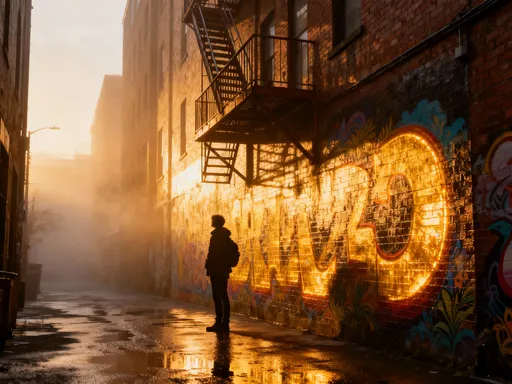
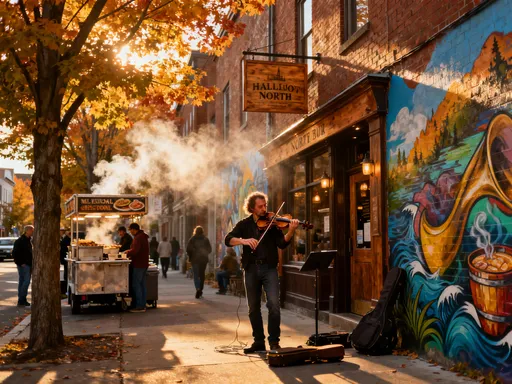
Walking through neighborhoods like Florentin or Neve Tzedek, it’s impossible not to notice the layers of street art that adorn building facades, alleyways, and even utility boxes. These aren’t random tags but carefully composed murals—some whimsical, others deeply symbolic—depicting everything from local folklore to environmental messages. What sets Tel Aviv apart is that this artistic impulse doesn’t stop at the city limits. It spills into parks, coastal paths, and abandoned industrial zones, transforming overlooked spaces into dynamic cultural zones. The city’s creative spirit feels organic, not curated, as if the people themselves are constantly reimagining their environment.
This fusion of art and nature is rooted in Tel Aviv’s identity. The White City, designated a UNESCO World Heritage site for its exceptional collection of over 4,000 Bauhaus and International Style buildings, provides a historical backdrop to this modern creativity. These clean-lined, white-washed structures were once symbols of a new beginning, built by Jewish architects fleeing Europe in the 1930s. Today, they serve as a canvas for a new generation of artists who see architecture not as static but as part of a living, evolving cityscape. The respect for both heritage and innovation allows Tel Aviv to embrace change without losing its soul—a quality that resonates in every painted wall and restored green space.
Yarkon Park: Green Heart with a Creative Pulse
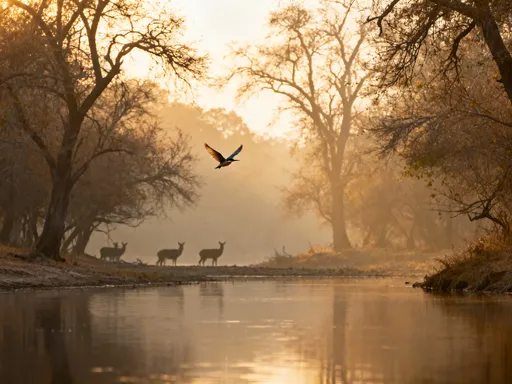
Nestled along the northern edge of the city, Yarkon Park serves as Tel Aviv’s green lung—a sprawling 3.5-square-kilometer oasis where nature and culture intertwine. The park follows the winding course of the Yarkon River, offering shaded trails, open meadows, and quiet waterways teeming with birds and reeds. Families picnic under eucalyptus trees, cyclists glide along dedicated paths, and joggers move rhythmically beneath a canopy of native pines and acacias. But beyond its recreational appeal, Yarkon Park is a living gallery of urban art, where creativity thrives in unexpected places. Along pedestrian bridges, beneath concrete overpasses, and tucked between groves of carob trees, visitors encounter vibrant murals and sculptural installations that reflect the park’s ecological and artistic values.
One of the most striking aspects of Yarkon Park is how local artists have responded to its natural environment. Rather than imposing art onto the landscape, many works are created in dialogue with it. Murals depict endangered bird species native to the riverbank, while sculptures incorporate recycled wood, stone, and metal to mirror the textures of the surrounding terrain. Some artists use natural pigments derived from soil and plants, ensuring their work fades gracefully over time, returning to the earth without harm. This eco-conscious approach reflects a growing movement in Tel Aviv’s art scene—one that prioritizes sustainability and harmony with nature. Temporary installations made from biodegradable materials appear seasonally, often created during community workshops that invite public participation.
For visitors, navigating Yarkon Park is both easy and rewarding. The most accessible entry points are near the Tel Aviv University station or the Gan HaYarkon entrance off Derech Namir. Bike rentals are available at several kiosks, allowing guests to cover more ground while minimizing their footprint. The park’s central path, which runs parallel to the river, is ideal for a leisurely ride, with frequent rest stops and shaded seating areas. For those seeking a quieter experience, the northern section near the estuary offers secluded trails where herons and kingfishers can be spotted among the reeds. It’s here, in these tranquil corners, that the fusion of art and nature feels most profound—a reminder that beauty can be both wild and intentional.
The Coastal Strip: Where Waves Meet Murals
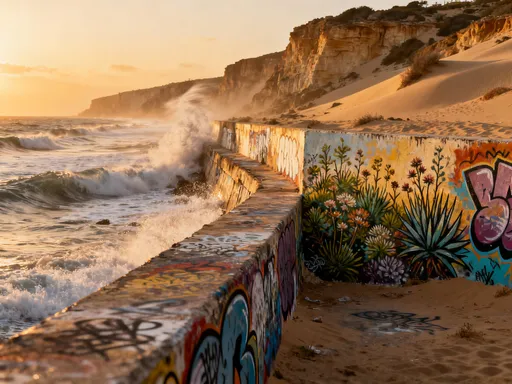
The Tel Aviv shoreline is more than a place to sunbathe—it’s a living canvas where the sea and street art coexist in a dynamic, ever-changing relationship. Stretching over 14 kilometers from the ancient port of Jaffa in the south to Herzliya in the north, the coastal strip is a continuous ribbon of sand, promenade, and artistic expression. Along the seawall, massive murals rise above the tide line, their colors intensified by the bright Mediterranean sun. Lifeguard towers, often painted in bold geometric patterns, double as mini art installations, while public restrooms and stairwells become unexpected galleries for local artists. This integration of art into functional infrastructure speaks to Tel Aviv’s belief that beauty should be accessible to everyone, not locked behind museum doors.
What makes the coastal art unique is its interaction with natural forces. Unlike indoor pieces preserved in climate-controlled environments, these works are exposed to salt spray, wind erosion, and intense UV radiation. Over time, colors fade, edges blur, and textures evolve—some murals develop a weathered, almost dreamlike quality that enhances their emotional impact. Artists anticipate this transformation, often choosing durable paints and techniques that allow the artwork to age gracefully. In some cases, the erosion itself becomes part of the piece, symbolizing the passage of time and the impermanence of human creation against the enduring power of nature.
A recommended walking route begins at Jaffa Port, where the old stone walls are layered with centuries of history and contemporary graffiti. From there, the path follows the promenade northward, passing iconic landmarks like the Alma Beach mural—a colorful tribute to Tel Aviv’s LGBTQ+ community, though the imagery remains inclusive and abstract, focusing on unity and joy rather than explicit themes. Further along, near Gordon Beach, a series of murals celebrates marine life, with dolphins, sea turtles, and coral reefs rendered in vivid detail. The route culminates at Charles Clore Park, a lush, elevated green space built atop an ancient sand dune. From here, visitors can look back at the city skyline while standing amidst wildflowers and restored dune vegetation—an ideal spot to reflect on the harmony between urban development and ecological preservation.
Gan HaHashmal (The Electricity Garden): An Urban-Nature Canvas
Just east of the bustling Rothschild Boulevard lies a hidden gem—Gan HaHashmal, or The Electricity Garden, a small but powerful example of urban reinvention. Once an abandoned power station from the early 20th century, this site was transformed in the 2010s into a public park that honors both industrial history and artistic innovation. The original brick structures remain, their weathered walls now serving as backdrops for rotating street art displays. Metal sculptures, crafted from decommissioned transformers, cables, and electrical panels, rise like modern totems among drought-resistant plants and succulents. The juxtaposition of rusted machinery and thriving greenery creates a poetic contrast—one that speaks to resilience, renewal, and the creative potential of forgotten spaces.
What makes Gan HaHashmal particularly special is its nighttime ambiance. Soft, energy-efficient lighting illuminates the sculptures and pathways, casting gentle shadows that shift with the breeze. The glow is subtle, never overwhelming, allowing the art and nature to coexist in quiet harmony. Visitors often linger here in the evening, drawn by the peaceful atmosphere and the sense of discovery. Unlike larger, more commercial parks, Gan HaHashmal feels intimate and authentic—a place where creativity isn’t performative but deeply felt. It’s also a favorite among local artists, who use the space for small exhibitions, poetry readings, and acoustic music sessions.
The park’s design reflects a broader philosophy in Tel Aviv: that urban spaces should be both functional and meaningful. By repurposing an obsolete industrial site, the city has created not just a green area but a cultural landmark. It demonstrates how sustainability and artistry can go hand in hand, turning what was once a symbol of outdated technology into a beacon of ecological and creative renewal. For visitors, Gan HaHashmal offers a quiet pause in the middle of the city—a chance to slow down, observe, and appreciate the beauty of transformation.
Sde Boker & the Negev Gateway: Desert Inspiration Beyond the City
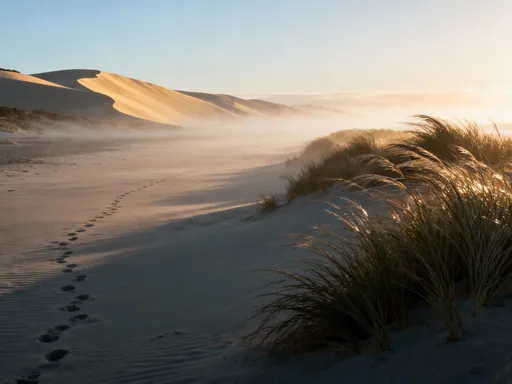
While Tel Aviv pulses with coastal energy, a short journey inland reveals a completely different landscape—one that has deeply influenced the city’s artistic soul. Sde Boker, a kibbutz nestled in the northern Negev Desert, serves as a gateway to vast red dunes, dramatic canyons, and ancient desert trails. Made famous by Israel’s first Prime Minister, David Ben-Gurion, who chose to live and be buried here, Sde Boker is more than a historical site—it’s a place of quiet inspiration. The stark beauty of the desert, with its endless skies and rugged terrain, has long attracted artists seeking solitude and raw creative energy. Many Tel Aviv-based muralists and sculptors draw from the textures, colors, and silence of the Negev, translating its essence into urban art.
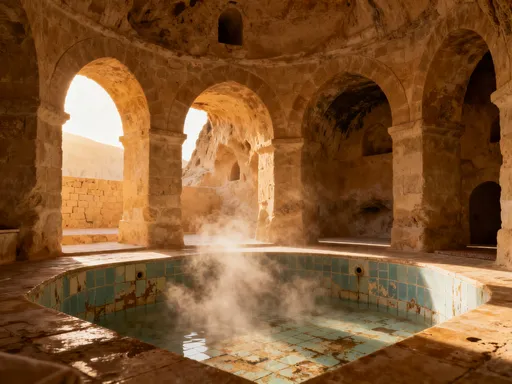
Within a two-hour drive from Tel Aviv, visitors can explore natural wonders like Avdat, an ancient Nabatean city carved into the cliffs, or the Zin Valley, where layered rock formations glow at sunset. These landscapes have become muse and medium for eco-art projects. Some artists create temporary installations using stones, sand, and natural pigments, leaving no permanent mark on the environment. Others collaborate with local Bedouin communities, learning traditional weaving and dyeing techniques that incorporate desert plants. These cross-cultural exchanges enrich Tel Aviv’s art scene, bringing earthy tones, geometric patterns, and sustainable practices into the city’s visual language.
For those planning a day trip, the best times to visit are spring and autumn, when temperatures are mild and wildflowers bloom across the desert floor. Public transportation options include bus routes from Beersheba or guided eco-tours that emphasize responsible travel. Visitors are encouraged to follow Leave No Trace principles—staying on marked trails, avoiding littering, and respecting protected areas. By engaging with the desert mindfully, travelers contribute to its preservation while gaining a deeper appreciation for the natural forces that shape Israeli art and identity.
Art in Action: Meeting Local Creators in Natural Settings
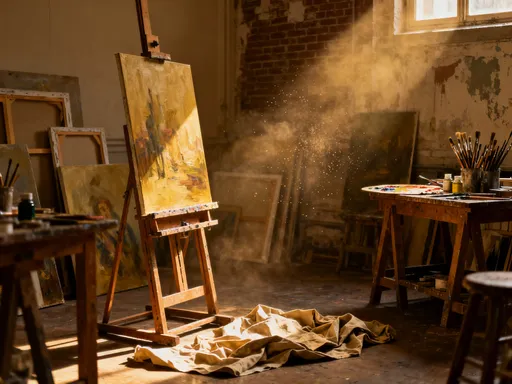
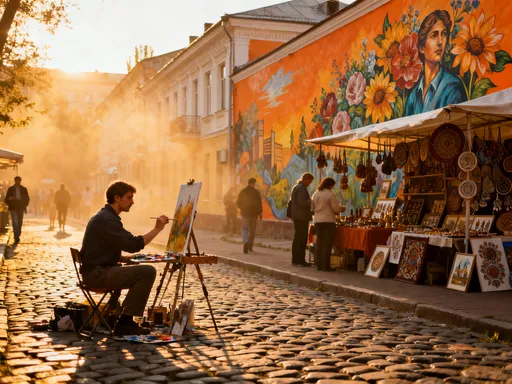
One of the most rewarding experiences in Tel Aviv is encountering artists at work in their natural studios—parks, beaches, and quiet alleyways where creativity unfolds in real time. On any given morning, it’s common to see painters setting up easels in Yarkon Park, capturing the play of light on leaves or the movement of birds along the river. Others work on large-scale murals, their ladders and paint cans scattered across the pavement as they bring blank walls to life. These artists are often open to conversation, happy to share their inspirations, techniques, and visions for the city’s future. Their presence makes art feel immediate and accessible, not distant or elite.
Community-driven projects further deepen this connection. Organizations like the Tel Aviv Street Art Festival and local environmental groups regularly host open-air workshops where residents and visitors can collaborate on eco-friendly murals. These events emphasize sustainable practices—using low-VOC paints, natural dyes, and recycled materials—to minimize environmental impact. Themes often center on biodiversity, climate awareness, and cultural heritage, reinforcing the idea that public art can be both beautiful and meaningful. Some installations are temporary by design, meant to erode with rain or fade with sunlight, symbolizing the cycle of creation and renewal.
A growing trend is “eco-art,” where artists use natural elements as both medium and message. Sand sculptures appear on quiet stretches of beach, only to be washed away by the tide. Stone arrangements in desert parks mimic ancient cairns, guiding hikers without damaging the terrain. Plant-based pigments, derived from turmeric, beetroot, or indigo, are used in murals that biodegrade over time. These practices reflect a deeper shift in Tel Aviv’s artistic ethos—one that values impermanence, sustainability, and harmony with the environment. For visitors, observing or participating in these projects offers a rare opportunity to engage with art as a living, evolving process rather than a finished product.
Why This Fusion Matters: The Soul of a Sustainable City
Tel Aviv’s unique blend of street art and natural landscapes is more than just aesthetically pleasing—it represents a thoughtful approach to urban living. In an era of rapid development and environmental challenges, the city offers a model of how creativity and ecology can coexist. By integrating art into parks, coastlines, and repurposed industrial sites, Tel Aviv ensures that culture remains accessible, inclusive, and rooted in place. This fusion also has psychological benefits: studies show that exposure to both nature and art reduces stress, enhances well-being, and fosters a sense of community. In Tel Aviv, these elements are not separate but intertwined, creating spaces where people can breathe, reflect, and connect.
Culturally, this synergy strengthens the city’s identity. Tel Aviv does not imitate global trends but reinterprets them through a local lens—using the Mediterranean light, desert textures, and historical layers to create something distinctly its own. The murals on the seawall, the sculptures in abandoned power stations, the temporary sand art on quiet dunes—all speak to a city that values both innovation and memory. This balance is not accidental but intentional, shaped by policies that support public art, green infrastructure, and sustainable tourism.
Other cities can learn from Tel Aviv’s example. Urban growth does not have to mean the loss of green space or artistic authenticity. With thoughtful planning, cities can become living canvases where nature and culture enhance one another. The key lies in community involvement, ecological responsibility, and a belief that beauty should be shared, not hoarded. Tel Aviv proves that even in a densely populated metropolis, there is room for wildflowers, birdsong, and the quiet hum of creativity.
Tel Aviv taught me that nature doesn’t have to be pristine to be powerful, and art doesn’t need walls to be profound. When the two come together—on a windswept cliff, a sun-bleached boardwalk, or a quiet dune—they create something unforgettable. This city doesn’t just showcase beauty; it reimagines it. And if you’re ready to see art breathe with the rhythm of the earth, Tel Aviv is waiting.